


How to Complete the 2026-27 FAFSA
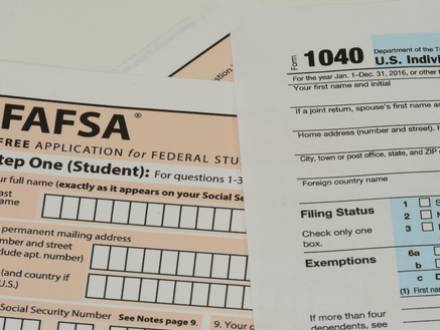 Filling out the Free Application for Federal Student Aid, or FAFSA, is an important step in getting the financial support you need to pay for college. Even if you don’t think you qualify for aid, you could still be eligible for other opportunities and scholarships that require you to have filled out the application. In other words, you lose nothing by applying.
All that being said, actually completing the application can be daunting, especially if you are the first in your family to go to college. If you need help filling out FAFSA, My College Companion can provide you with the answers you’re looking for.
What Do You Need to Do Before Starting Your Federal Student Aid Application?
Before starting the Free Application for Federal Student Aid (FAFSA), every student needs a StudentAid.gov account. This account, often called an FSA ID, lets you sign and submit the form online. Any parent or spouse who must provide information on your FAFSA, known as a contributor, will need an account of their own as well.
It is a good idea to create your account several days before you plan to start the application. The Social Security Administration has to verify your information, and that check can take one to three days. You should also look up your state and school aid deadlines ahead of time, since some aid is awarded on a first-come, first-served basis.
What Documents Do You Need for FAFSA?
The documents you need for FAFSA depend partly on your situation, but most students will want the following on hand:
-
Your Social Security number, along with your contributors' numbers if they have one
-
Federal income tax returns, W-2 forms, and other income records from two years before the school year begins
-
Records of untaxed income, such as child support received
-
Current balances of cash, savings, and checking accounts
-
Information on investments, businesses, or farms, if any apply
Each contributor must also give consent for the IRS to share federal tax information directly with the FAFSA. This transfer fills in much of the income section automatically. Without that consent, the student cannot receive federal aid.
Are You a Dependent or Independent Student?
Whether you are a dependent or independent student for FAFSA purposes affects whose information you report on the application. Dependency status has nothing to do with whether you live on your own or pay your own bills. The federal government uses a specific set of questions to decide it.
You are generally considered independent if you will be at least 24 years old by January 1 of the school year, are married, are a graduate or professional student, are a veteran or active-duty service member, or support children or other dependents. Students who were in foster care, were wards of the court, or are experiencing homelessness may also qualify. If none of these apply, you will likely be a dependent student, and at least one parent will need to act as a contributor. In unusual situations, a financial aid administrator can review a request for a dependency override.
Do You Need to Choose a School Before Filling Out FAFSA?
Students do not need to choose a school before filling out FAFSA. The application lets you list up to 20 colleges, and each school you add will receive your results. Listing a school does not commit you to attending it.
If you decide on a new school after submitting, you can log back in and add it. If you already have 20 schools listed, you can remove one to make room. Keep in mind that each school sets its own aid deadlines, so adding a school late could affect what you receive.
How Long Does FAFSA Take to Process After It Is Submitted?
Processing time for a submitted FAFSA is usually one to three days for online applications. Once processing is complete, you will receive a FAFSA Submission Summary, which shows your Student Aid Index (SAI) and an overview of your answers. Paper applications can take several weeks.
Review your summary carefully when it arrives. Mistakes in your answers can delay your aid or change the amount you receive. Financial aid offers come later and follow each school's own timeline. Some students are also selected for verification, which means the school will ask for documents to confirm what was reported.
More Resources and Help From My College Companion
Setting aside time for FAFSA is often well worth the effort. For more helpful resources and information about scholarships, visit our website or contact My College Companion today.
If you have any questions about the OVC Scholarship Network, we encourage you
to get in touch with us, and we will respond as soon as possible.


